May 05, 2026
How Beef Is Winning With Consumers
The latest retail trends send a clear signal: consumers are still showing up for beef despite higher prices.
From the meat case to the dinner table, today’s consumer choices are shaping the future of beef demand. The latest Power of Meat study sends a clear signal: consumers are still showing up for beef despite higher prices. And more importantly, why they’re buying beef is becoming just as important as how much.
Demand Isn’t Slowing Down
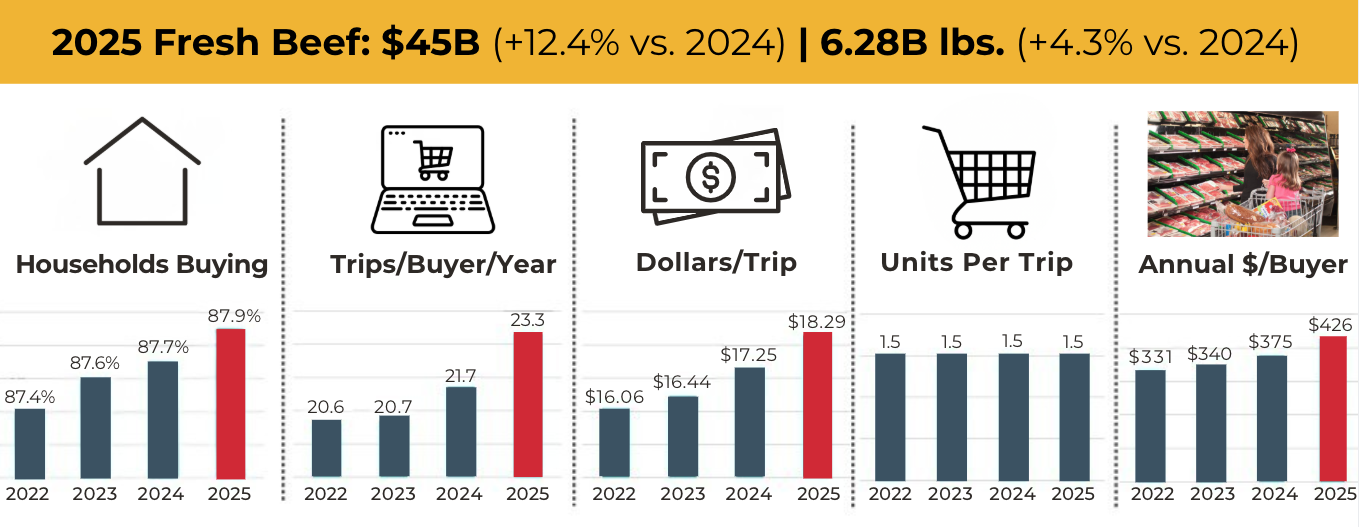
Beef continues to lead the meat case in both dollars and volume. Retail beef sales reached $45 billion in 2025, up 12.4% from the previous year. Volume also increased by more than 4%, and nearly 88% of U.S. households purchased beef. Across the store, beef was responsible for 70% of total dollar growth and more than half of the pound growth.
What's even more telling is that buying habits are getting stronger. More households are buying beef more often and spending more on each trip. Even as prices have climbed, consumers aren't pulling back — they're making beef a priority in their grocery carts.
Protein Is Driving the Conversation
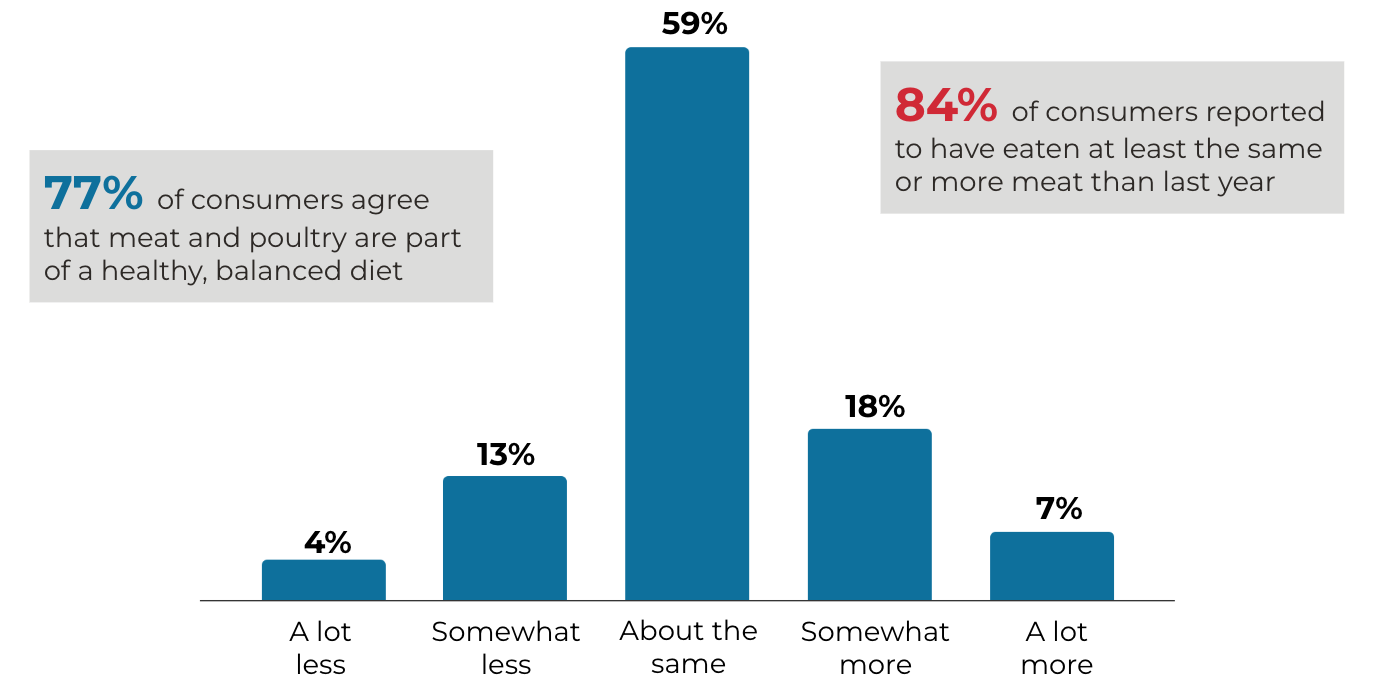
Health and nutrition continue to reinforce beef’s role in the diet. The number of consumers who say meat and poultry are part of a healthy, balanced diet has risen to 77% compared to 64% in 2020. At the same time, 70% of Americans are actively trying to increase protein intake.
Several trends are accelerating beef’s position in the nutrition conversation. The latest Dietary Guidelines for Americans place greater emphasis on protein and whole foods. GLP-1 users are also prioritizing protein in their diets, and healthcare professionals and dietitians remain the most trusted voices in food decisions.
Beef is well-positioned, but it has to stay part of ongoing health discussions.
Efforts like the Beef Checkoff-funded Medical Office Outreach program help ensure beef is represented accurately in recommendations given by healthcare providers.
Convenience and Value Are Shaping the Meat Case
Today’s consumer is balancing two things: their schedule and budget. Time-saving meals are important to 85% of consumers when preparing meat. That demand is being led by Millennials, who are often cooking for families but looking for efficiency.
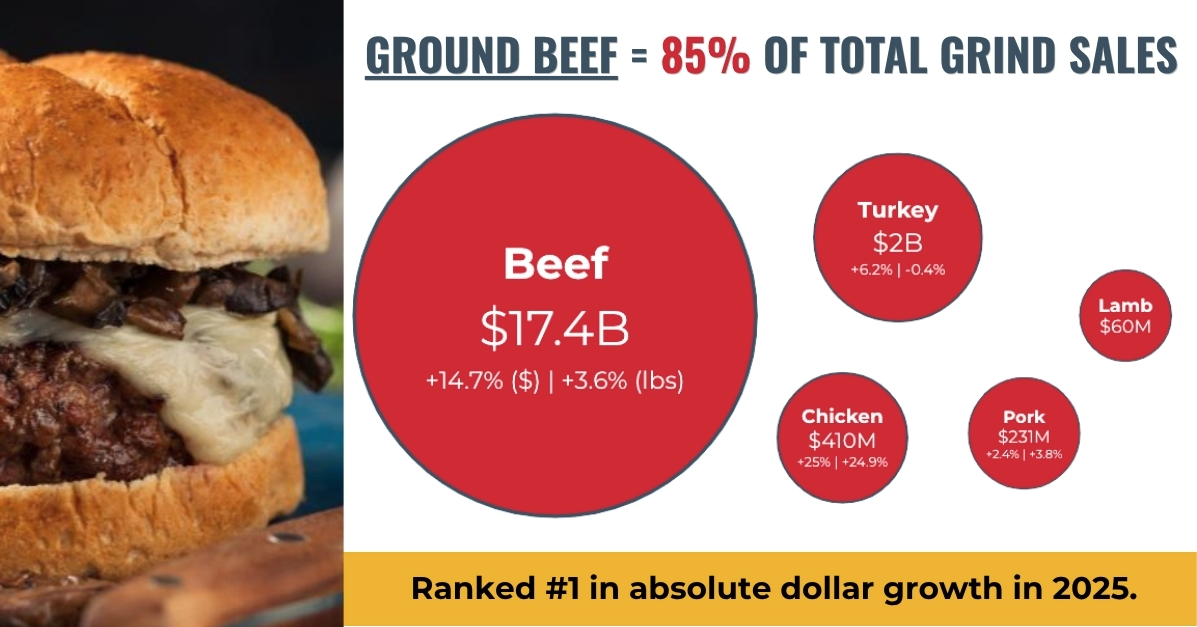
Ground Beef sits right at the intersection of convenience and value. It accounts for 85% of total grind sales and was the #1 category for dollar growth across the entire store in 2025.
Versatility and ease matter more than ever, and Ground Beef is delivering both.
Recipe and meal inspiration, especially for Ground Beef, continues to be one of the top ways consumers engage with content on BeefLovingTexans.com.
The Next Generation Is Driving Growth
Younger consumers aren’t just participating in the market, they’re shaping it.
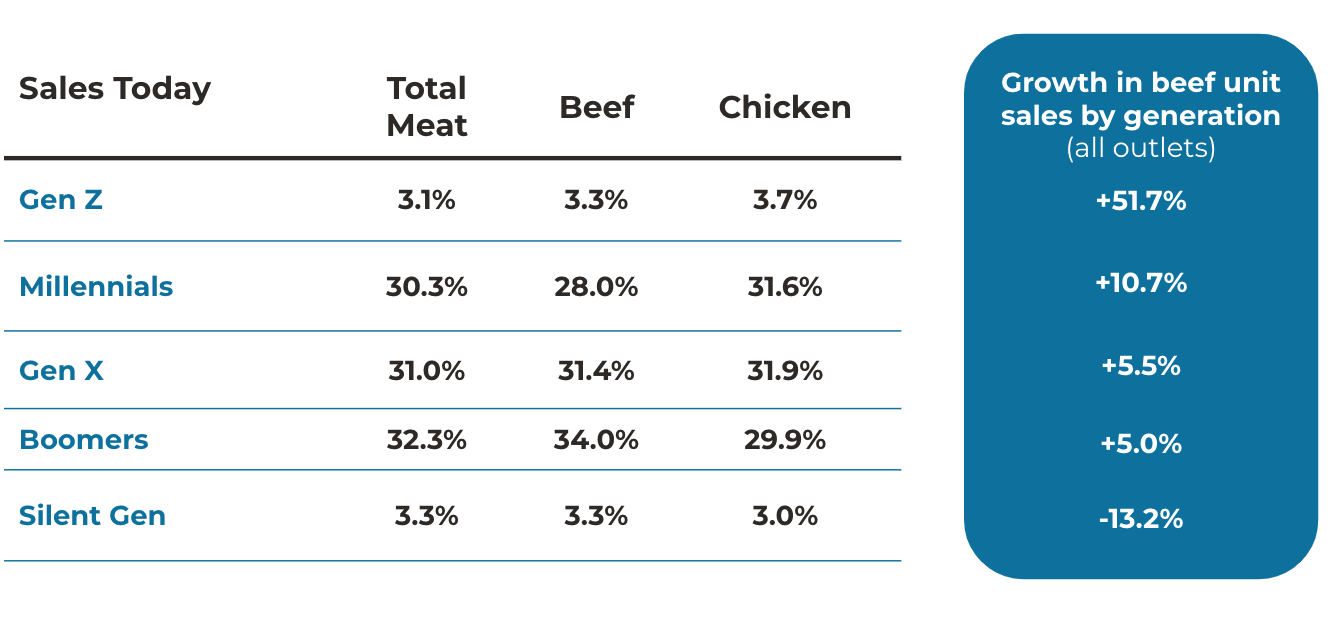
Millennials and Gen Z accounted for 67% of total unit growth in meat sales, and beef dollar growth among Millennials is outpacing chicken at twice the rate.
These younger consumers shop and cook with different priorities. They are more likely to look online for recipes and inspiration, value convenience while still demanding quality and flavor, and are currently forming the long-term purchasing habits that will shape future demand.
Reaching younger generations is critical to sustaining demand. Beef Loving Texans is the way producers can bring more of these consumers to the table through social media and video platforms like YouTube. Meeting these important demographics where they are, online, keeps beef relevant in their everyday meals.
–
For producers, these are encouraging signals, but also a reminder that maintaining demand means staying aligned with what matters most to consumers. That’s where your Beef Checkoff works on your behalf, tracking these shifts, investing in research, and translating insights into marketing and nutrition outreach that keep beef relevant in a changing marketplace.
Sources:
- Circana, Integrated Fresh, MULO+, % growth versus YA, 52 w.e 12/28/2025
- International Food Information Council. 2025 Food & Health Survey. January 13, 2026.